Overview
Protect Wildlife. Support Conservation. Experience Kenya’s Wild Heart.
The Lumo Conservancy Volunteer Program, delivered in collaboration with the Kenya Wildlife Service (KWS) and local conservation partners, offers a rare opportunity to actively participate in frontline wildlife conservation within one of Kenya’s most important ecosystems.
Located within the greater Tsavo ecosystem, Lumo Conservancy plays a critical role in wildlife protection, community conservation, and habitat preservation. This program is ideal for individuals passionate about conservation, ecology, wildlife management, and responsible travel.
Tour Highlights
- Exclusive Conservancy Access – Experience Lumo Conservancy, a low-density, community-owned area offering authentic safaris away from mass tourism.
- Wildlife monitoring and observation
- Authentic Wilderness Experience
- Community & Conservation Insight
Itinerary
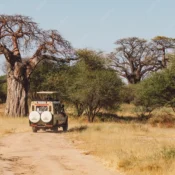
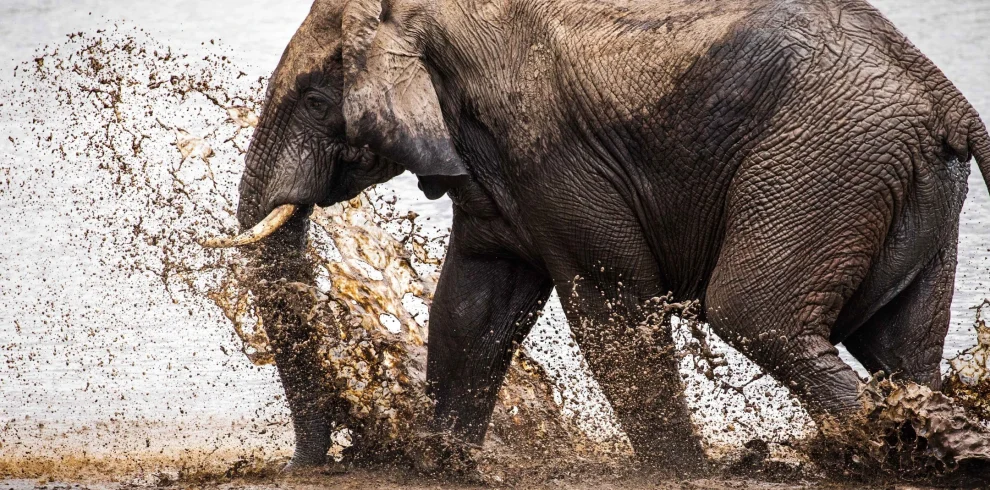
Lumo Conservancy is a community-owned wildlife conservation area bordering Tsavo West National Park. It serves as a vital wildlife corridor for elephants, big cats, and migratory species while directly benefiting surrounding communities through conservation-linked livelihoods.
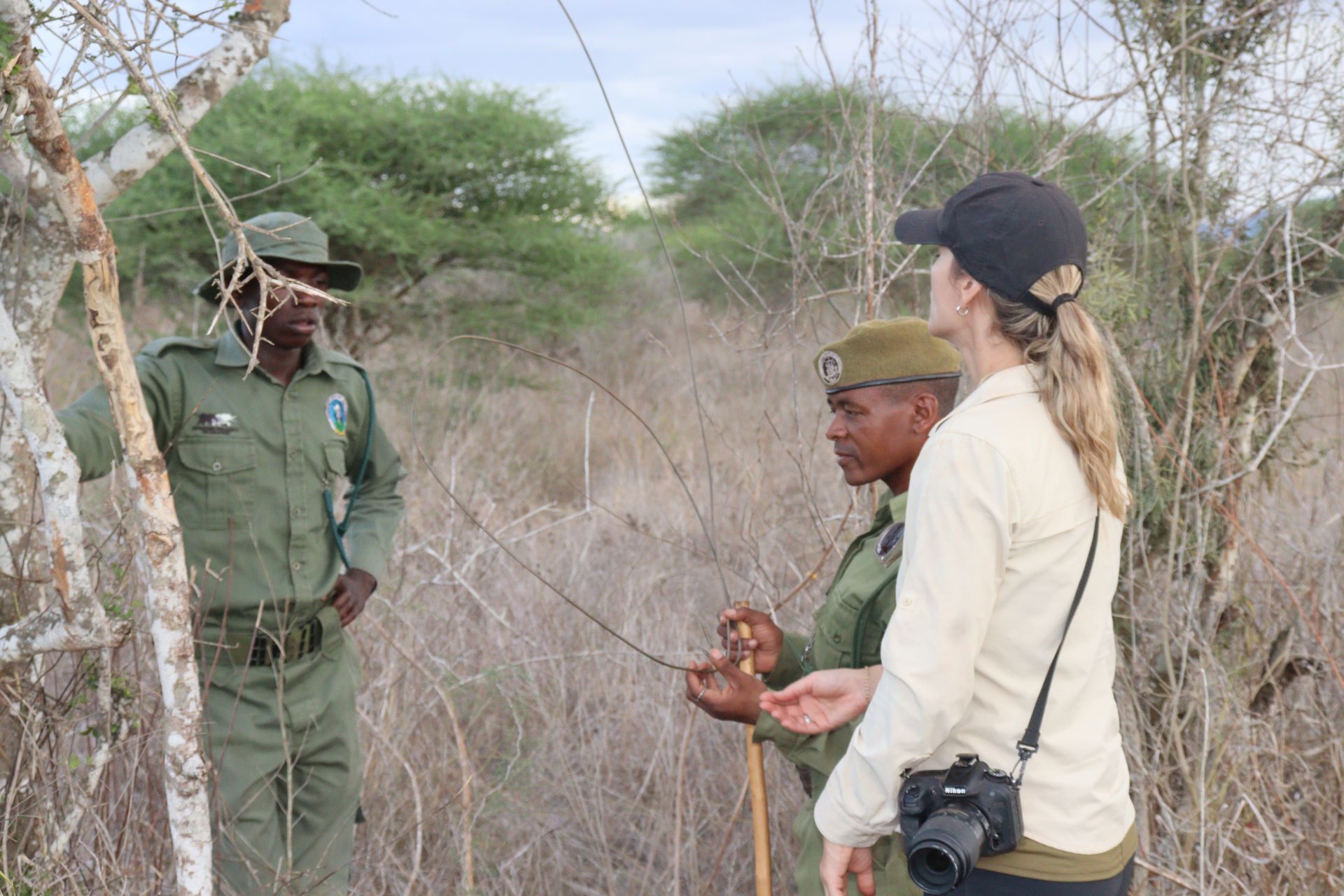
Working alongside KWS rangers and conservation officers, volunteers gain first-hand exposure to how protected areas are managed in Kenya.
Support KWS-led wildlife conservation initiatives
Strengthen protection of endangered species and habitats
Promote human–wildlife coexistence
Build conservation awareness through education and research
Encourage ethical, responsible conservation volunteering
🐘 Wildlife Conservation Support
Wildlife monitoring and observation
Species identification and tracking (non-invasive)
Data recording for conservation research
Camera trap checks and reporting
🌿 Habitat & Environmental Protection
Habitat restoration and tree planting
Invasive species removal
Water point monitoring
Ecosystem health assessments
🚓 Conservation Operations (Observational)
Shadowing KWS ranger patrols (non-combat)
Learning anti-poaching strategies and conservation law enforcement
Conservation technology demonstrations (GPS, SMART systems)
👥 Community Conservation Engagement
Conservation education in nearby communities
Human–wildlife conflict awareness programs
Support for community conservation initiatives
Minimum stay: 14 days
Recommended: 2–4 weeks
Long-term placements: Up to 3 months (subject to KWS approval)
Includes/Excludes
- Placement coordination with KWS & conservancy authorities
- Official orientation and safety briefing
- Accommodation and Meals
- Airport Transfers
- Program supervision and mentorship
- Conservation activity materials
- 24/7 local support
- International flights
- Visa and permits
- Travel and medical insurance
- Personal expenses
- Optional safari or beach extensions